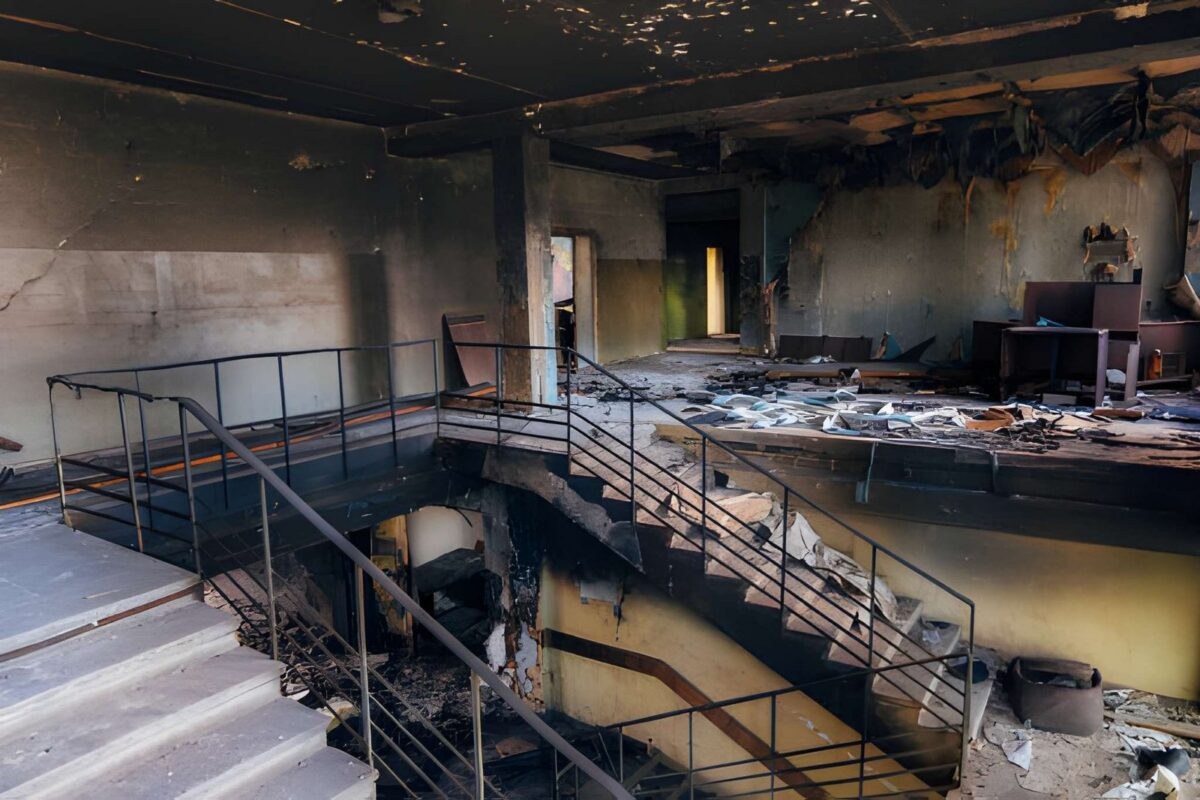
After a fire, the visible damage is often only part of the problem. Smoke can travel throughout a property, leaving dark residue on walls, ceilings, furniture, floors, and personal belongings. Using the wrong soot cleaner or cleaning method can spread the residue further and cause permanent staining or damage to delicate surfaces.
Soot is more than ordinary dirt. It is a fine residue produced when materials burn, and its composition can vary depending on what was involved in the fire. Some soot can be oily and sticky, while other types may be dry and powdery. Because different surfaces react differently to cleaning products and techniques, understanding how to approach soot cleanup is important after a fire.
What Is Soot?
Soot is a black or dark-coloured residue created during incomplete combustion. It can result from burning wood, plastics, fabrics, insulation, furniture, electrical components, and other household materials.
After a fire, soot particles can settle on almost any exposed surface. Smoke can also move through ventilation systems, wall cavities, and other areas, allowing soot to spread well beyond the room where the fire occurred.
The appearance of soot can vary. It may look like a light grey film, black powder, greasy residue, or thick staining. The type of residue can affect how easily it can be removed.
Why Is Soot Difficult to Clean?
Soot particles are extremely fine and can easily become airborne. When disturbed incorrectly, they can spread from one surface to another or become embedded deeper into porous materials.
Some soot is also oily. Using water or the wrong cleaning product on an oily residue can smear it across walls, ceilings, furniture, and other surfaces rather than removing it.
Porous materials can present an additional challenge. Drywall, unfinished wood, upholstery, carpeting, and certain fabrics can absorb smoke residue and odours, making surface cleaning insufficient.
For these reasons, soot cleanup requires more care than ordinary household cleaning.
Is Soot Dangerous?
Soot left behind after a fire may contain particles and compounds associated with the materials that burned. Smoke and soot can also irritate the eyes, nose, throat, and respiratory system.
The potential risks depend on the type of fire, what materials were burned, the extent of contamination, and the amount of exposure.
Homeowners should avoid unnecessarily disturbing heavy soot deposits and should use appropriate protective measures when entering affected areas.
If there is extensive smoke contamination, strong odours, or uncertainty about the safety of the property, professional assessment is recommended.
For a broader understanding of what fire damage can involve, homeowners can review this guide to fire damage.
What Should You Do Before Cleaning Soot?
Before attempting to clean soot, make sure the property is safe to enter. A fire-damaged structure may have weakened ceilings, walls, flooring, electrical systems, or other hazards.
Once the property has been cleared for entry, avoid touching heavily soot-covered surfaces unnecessarily.
Good ventilation may help with lingering smoke odours when conditions are safe, but opening windows or using fans should not be used as a substitute for professional assessment when the property has extensive fire or smoke damage.
It is also helpful to photograph the damage before cleaning begins, particularly if you plan to file an insurance claim.
If you are unsure what to do immediately after a fire, this guide to fire damage steps can help explain some initial considerations.
How to Clean Soot Without Making the Damage Worse
The correct cleaning approach depends on the type of soot and the surface affected. What works on a hard, washable surface may damage painted drywall, upholstery, wood, or other materials.
1. Avoid Rubbing Dry Soot
One of the most common mistakes is aggressively wiping or scrubbing soot from a surface.
Rubbing can push soot deeper into porous materials and spread the residue across a larger area. It can also create visible streaks on painted surfaces.
Instead, loose soot should be handled carefully using an appropriate dry-cleaning or specialised soot-removal technique based on the affected material.
2. Be Careful With Water
Water is not always the best first choice for soot.
Certain types of soot can become smeared when exposed to moisture. Instead of lifting the residue, water may spread it across the surface and make the stain more difficult to remove.
Before using a damp cloth or water-based product, determine whether the affected surface and soot type are suitable for that method.
This is particularly important when a fire has also involved firefighting water. Fire and water damage can occur together, and both types of damage may need to be assessed.
3. Avoid Household Chemicals Without Testing
Strong household cleaners can damage paint, finishes, fabrics, wood, and other materials.
Even if a product removes some soot, it could leave behind discolouration or damage the surface underneath.
If a cleaning product is appropriate, test it on a small, inconspicuous area first and follow the manufacturer’s instructions.
4. Work From Less Affected Areas Carefully
When cleaning appropriate hard surfaces, working methodically can help prevent unnecessary spreading.
Use suitable cleaning materials and replace them when they become heavily contaminated. Continuing to wipe with a dirty cloth can redistribute soot rather than removing it.
The exact technique should always be adjusted according to the surface and residue.
How Do I Clean Soot Off Walls?
The question “how do I clean soot off walls” is common after a house fire, but there is no single cleaning method that works for every wall.
Paint type, wall material, soot composition, and the severity of the staining all matter.
Light surface residue on a washable painted wall may sometimes be cleaned using an appropriate soot-removal product. However, heavy or greasy soot can require specialised cleaning methods.
Drywall can also absorb smoke and soot. If the material has been heavily contaminated, damaged by water used to extinguish the fire, or affected by persistent odours, cleaning alone may not be enough.
Professional assessment can help determine whether the wall can be cleaned, sealed, repaired, or replaced.
How to Clean Soot From Different Surfaces
Different materials require different approaches.
1. Painted Walls and Ceilings
Painted surfaces can be particularly difficult because aggressive scrubbing may remove paint or leave uneven marks.
Light contamination may be manageable with an appropriate cleaning method, while heavy staining may require professional cleaning and potentially repainting or sealing.
2. Wood
Soot can settle into wood grain and affect finished surfaces. Excessive moisture or harsh chemicals may damage the finish.
Special care is needed when cleaning cabinets, furniture, trim, flooring, and other wooden surfaces.
3. Carpet and Upholstery
Smoke particles can become trapped in fibres, making simple surface vacuuming ineffective for significant contamination.
Carpets and upholstered furniture may require specialised cleaning, deodorisation, or evaluation to determine whether restoration is practical.
4. Clothing and Fabrics
Smoke and soot can affect fabrics differently depending on the material and type of contamination.
Heavily affected fabrics should not automatically be washed with ordinary laundry because improper cleaning may set stains or spread residue.
5. Metal and Glass
Non-porous surfaces may generally be easier to clean than porous materials, but soot can still leave greasy deposits and unpleasant odours.
The appropriate cleaning solution should depend on the finish and condition of the surface.
What Is the Difference Between Soot and Smoke Damage?
Smoke damage includes the broader effects caused by smoke after a fire, while soot is one of the residues smoke can leave behind.
Smoke can create persistent odours and discolouration, while soot can leave visible deposits on surfaces and belongings.
Smoke can also travel through a property even when the fire itself was contained to one area. As a result, rooms that were not directly affected by flames may still require cleaning and deodorisation.
Effective smoke damage cleanup addresses both visible soot and less obvious smoke contamination.
What About Black Soot From a Fire?
Black soot from a fire can be particularly noticeable on walls, ceilings, furniture, and other surfaces. However, the colour of soot alone does not determine the safest cleaning method.
The residue may contain different substances depending on what burned. For example, burning synthetic materials can produce different residues from burning untreated wood.
Heavy black deposits should therefore be handled carefully rather than aggressively scrubbed with household cleaners.
Common Soot Cleaning Mistakes to Avoid
Trying to clean soot without understanding the material can result in additional damage.
Common mistakes include:
- Scrubbing heavily soot-covered surfaces
- Using water on soot that may smear
- Applying strong chemicals without testing
- Using ordinary household vacuums for heavy soot
- Washing heavily contaminated fabrics without guidance
- Painting over soot before proper cleaning
- Ignoring smoke odours after visible soot has been removed
- Cleaning only the area where the fire started
- Disturbing contaminated materials unnecessarily
- Failing to investigate hidden smoke contamination
A surface may look cleaner after a quick wipe while still containing smoke residue underneath.
For more information about professional cleaning methods, this guide explains smoke cleaning and why fire-related residue can be difficult to remove.
When Should You Use a Professional Soot Cleaner?
Professional cleaning is often the better option when soot covers large areas, has penetrated porous materials, or is accompanied by extensive smoke damage.
Professional restoration teams have specialised equipment and cleaning techniques designed for fire and smoke-related contamination. They can also evaluate whether affected materials are suitable for cleaning or need repair or replacement.
Professional help is particularly important when the property has significant fire damage, strong smoke odours, widespread soot, water damage from firefighting, or materials that are difficult to clean safely.
A professional fire damage service can assess the property and determine the appropriate restoration approach.
Why Professional Smoke and Soot Removal Matters
Smoke and soot removal services address more than visible black marks.
A professional restoration process can include evaluating affected areas, identifying the type and extent of contamination, cleaning salvageable materials, deodorising affected spaces, and addressing materials that cannot be restored.
This comprehensive approach helps reduce the chance that smoke residue and odours remain after the initial cleanup.
It can also help prevent homeowners from unintentionally damaging surfaces while attempting DIY cleaning.
For a closer look at the professional process, this resource explains what smoke restoration may involve.
Can You Remove Soot Yourself?
Small amounts of light soot on suitable, non-porous surfaces may sometimes be manageable with the correct cleaning method.
However, extensive fire soot is different. If soot has spread throughout several rooms, entered HVAC systems, affected porous materials, or resulted from a significant fire, professional restoration is generally the safer approach.
The decision should also consider whether the property has structural, electrical, water, or air-quality concerns following the fire.
When in doubt, getting the affected area assessed before starting extensive cleaning can prevent avoidable damage.
What Happens During Professional Soot Damage Restoration?
Professional soot damage restoration typically begins with an assessment of the property and the affected materials.
The restoration team determines where soot and smoke residues are present and evaluates which items and surfaces can potentially be restored.
Cleaning methods are then selected according to the material and type of contamination. Depending on the situation, the process may include surface cleaning, specialised residue removal, deodorisation, content cleaning, and repairs.
Some materials may be restorable, while others may need to be removed or replaced if they have sustained severe contamination or physical damage.
The overall process may also include structural repairs when the fire has affected walls, ceilings, flooring, or other building components. This guide to fire damage repair explains why restoration can extend beyond surface cleaning.
Why Smoke Odours Can Remain After Cleaning
Removing visible soot does not always eliminate smoke odours.
Smoke can penetrate porous materials such as drywall, wood, upholstery, carpeting, insulation, and other building components. Odour molecules can remain even after visible residue has been cleaned.
This is why deodorisation is often an important part of fire damage restoration.
Simply masking the smell with air fresheners does not address the source. The affected materials need to be properly cleaned, treated, restored, or replaced as appropriate.
How Quick Response Restoration Can Help
Quick Response Restoration understands that fire damage can affect much more than the area directly touched by flames. Smoke and soot can spread throughout a property and create cleaning challenges that are difficult to resolve with ordinary household products.
Our restoration approach focuses on assessing the affected areas, determining appropriate cleaning methods, addressing soot and smoke residue, and helping restore damaged parts of the property.
When fire soot is extensive or you are unsure how to clean a particular material safely, professional guidance can help reduce the risk of making the damage worse.
Conclusion
Cleaning soot after a fire requires more than wiping black residue from walls and furniture. Soot can vary in composition, spread easily, penetrate porous materials, and leave behind persistent smoke odours.
Using excessive water, harsh chemicals, or aggressive scrubbing can sometimes cause additional damage. For small and manageable areas, an appropriate cleaning method may be sufficient, but widespread soot and smoke contamination often require professional restoration.
Quick Response Restoration can help assess fire and smoke damage, clean affected surfaces and belongings where possible, and guide the restoration process from initial cleanup through necessary repairs.
If you need help assessing fire or smoke damage, you can contact us to discuss the situation and determine the appropriate next steps.
Frequently Asked Questions
1. What is the best soot cleaner to use after a fire?
There is no single soot cleaner that is suitable for every situation. The right product and cleaning method depend on the type of soot and the surface affected. Using the wrong product can cause staining or surface damage.
2. Can I clean soot off walls myself?
Light soot on certain washable surfaces may sometimes be cleaned carefully. However, heavy soot, greasy residue, extensive staining, or soot on porous walls may require professional cleaning to avoid spreading or setting the residue.
3. Can soot damage be removed completely?
Some soot damage can be successfully cleaned and restored, while severely contaminated or damaged materials may need repair or replacement. The outcome depends on the type and extent of the fire and smoke damage.
4. Why does my house still smell like smoke after cleaning?
Smoke odours can remain in porous materials such as drywall, wood, carpeting, upholstery, and insulation. Proper cleaning and deodorisation may be necessary to address the source of persistent smoke smells.
5. When should I call a professional for soot cleanup?
Professional help is recommended when soot is widespread, has affected porous materials, is accompanied by strong smoke odours, or resulted from a significant fire. Professionals can determine the safest cleaning and restoration approach for the property.